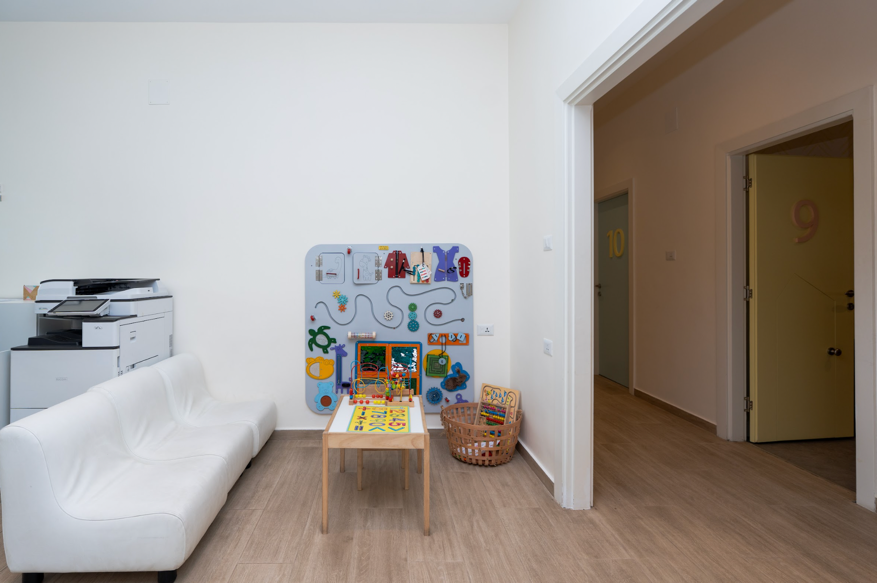
Following a multidisciplinary approach, our team of specialists work collaboratively according to our clients’ needs. After an initial intake session, a unique treatment plan is designed consisting of several assessment and intervention protocols.
At MDB every psychological evaluation begins with a collaborative process between the client and our team of specialists—psychologists, psychiatrists, and other clinicians—who work closely to understand the individual's concerns, background, and goals. This thoughtful, person-centered approach allows us to determine the most appropriate assessment protocol tailored to each client’s unique needs.
We conduct evaluations with a strong emphasis on cultural sensitivity, recognizing that identity, lived experience, and cultural context profoundly shape how symptoms are experienced and understood. Our interpretations are grounded in this awareness to ensure respectful and accurate care.
Our clinicians use a range of validated tools to assess cognitive, emotional, and behavioral functioning. These may include broad measures such as the Minnesota Multiphasic Personality Inventory-3 (MMPI-3), as well as targeted instruments like the Test of Variables of Attention (T.O.V.A.) to support evaluation of attention-related concerns. Each assessment is selected purposefully to inform diagnosis and guide treatment planning with clarity and precision.
Therapy for Elderly
Our trained therapists offer CBT, an evidence based therapy that has shown to be effective for a range of problems including Depression, Anxiety disorders, Obsessive Compulsive Disorders (OCD), Eating disorders, Phobias and some personality disorders. We help clients become aware of their maladaptive thinking patterns inorder to lessen the frequency of unhelpful behaviors and build better coping mechanisms.
Therapy for Adults
We offer treatment for a full range of life difficulties such as stress management, depression, anxiety, life transition difficulties, dealing with grief and loss, women’s issues, post-traumatic stress disorder (PTSD), eating disorders, adjustment disorders, acculturation, Obsessive Compulsive Disorder (OCD), bipolar disorder, social skills deficits, trauma, role transition, marriage counseling and more.
Therapy for Children and Adolescents
We offer assessment, diagnosis and intervention for children and adolescents through a variety of methods, psychological measurements, and psychotherapeutic techniques. Our aim is to provide a safe environment for kids and young adults to work on regulating their emotions, improve their academic, familial, and interpersonal achievements, and navigate life’s ups and downs in a smooth and accepting way. We work to bring about desired change in a comprehensive manner, collaborating with the child, his/her family, and school when necessary.
Dialectical Behavior Therapy (DBT)
The Maria Den Braven center has a globally accredited DBT Team that offers comprehensive Dialectical Behavior Therapy (DBT) Treatment. DBT is an evidence-based therapy and has shown effectiveness in disorders and problems stemming from emotion dysregulation including: Borderline Personality Disorder, self-harm, suicidal behavior, post-traumatic stress disorder, substance use disorder, and eating disorders.
Comprehensive DBT Treatment consists of four modes:
A. Individual Psychotherapy: Focused on enhancing client motivation and helping clients to apply the skills to specific challenges and problem behaviors in their lives, along with management strategies that help the client manage their own lives through the application of dialectical, validation, and problem-solving strategies. It takes place once a week and runs concurrently with DBT skills training.
B. DBT Skills Training: Taught in groups during weekly classes that run for 2.5 hours, for a duration of 24 weeks. Group leaders assign homework to help clients practice the skills in their everyday lives. There are four skills taught in DBT:
• Mindfulness: the practice of being fully aware and present in this one moment.
• Distress Tolerance: how to tolerate pain in difficult situations, not change it.
• Interpersonal Effectiveness: how to ask for what you want and say “no” while maintaining self-respect and relationships with others.
• Emotion Regulation: how to change emotions that you want to change.
C. In-the-Moment Phone Coaching: Calls between sessions for brief, skills-focused coaching to help clients apply DBT skills to difficult, real-life situations.
D. DBT Consultation Teams for Therapists: Helps therapists adhere with fidelity to the model and sustain their motivation to treat.
Cognitive Behavioral Therapy (CBT)
The Maria den Braven center offers Cognitive Behavior Therapy (CBT). CBT is a structured psychotherapy that has been found effective in the treatment of many different health and mental health conditions, including depression, anxiety, obsessive compulsive disorder, post-traumatic stress diroder, eating disorders, addiction, among many more. CBT is based on the theory that individuals perceieve a situation is more closely connected to their reaction than the situation itself.
In CBT individual therapy treatment, trained therapists help clients identify distressing thoughts and evaluate how realistic these thoughts are. As clients become aware of their thoughts and are able to evaluate them, they feel better. CBT therapists also work with clients on solving problems, learning new skills, and setting and achieving meaningful goals. Although initially therapists and clients work together in session, therapists also empower clients by teaching them to evaluate their thoughts and practice their new skills on their own, outside of therapy.
Art Therapy
Art therapy is a gentle, creative way for children to express feelings they might not have words for. Through drawing, painting, sculpting, and other fun art activities, kids can explore their emotions, reduce stress, and build confidence — all while creating something uniquely their own. Studies have shown that Art Therapy reduces symptoms of depression, anxiety, PTSD, and behavioral issues. It’s especially helpful for shy children, children who have language delays, or who have experienced trauma.
Specialist Mental Health services
We provide gentle, developmentally informed mental health care for infants, children, and adolescents facing a wide range of emotional, behavioral, and developmental challenges. Our experienced team works with young clients struggling with concerns such as ADHD, OCD, autism, separation and test anxiety, social phobias, low self-esteem, and difficulties with assertiveness or anger. We support children with poor language development, relational struggles, and communication delays, as well as those dealing with weight concerns, eating disorders like pica, and poor social skills. Our services also extend to children facing disruptive behaviors, oppositional defiant disorder (ODD), trauma, abuse, childhood depression, and signs of borderline personality traits. We understand the stress families may feel when managing issues like encopresis (involuntary soiling) or enuresis (bedwetting), and we’re here to help with kindness and expertise. No matter the concern, our approach is always child-centered, family-focused, and rooted in creating a safe, playful space where healing and growth can begin.
Play Therapy
Through storytelling, toys, art, and imagination, we help children navigate anxiety, trauma, behavioral challenges, and more — all while building trust, confidence, and emotional strength. Our licensed therapists are trained not only in clinical care but also in the language of play, meeting each child exactly where they are.
Play therapy is effective in improving emotion regulation, reducing anxiety, and strengthening social skills, especially in children with ADHD, anxiety, trauma, or behavioral challenges. According to the Association for Play Therapy, this approach is most effective with children ages 3 to 12 and is backed by over 70 years of clinical evidence.